Understanding Mortgage Pre-Approval: What You Need to Know
Mortgage pre-approval is a lender's conditional commitment to loan you a specific amount based on verified financial information — and it's often the first real step toward buying a home. Unlike a quick pre-qualification estimate, pre-approval involves a hard credit check and document verification, giving sellers confidence that you can actually close.
This guide walks through how pre-approval works, what documents you'll need, how to improve your chances of approval, and the common mistakes that trip up buyers along the way.
Get an offer with a click of a button!
Sell your home directly to Opendoor, so you can skip all the hassle and months of uncertainty. Simply enter your address – and get our offer with a few simple steps.
What is mortgage pre-approval
Mortgage pre-approval is a lender's conditional commitment to loan you a specific amount, based on an in-depth review of your income, assets, and credit score. It typically lasts 60 to 120 days and proves your buying power to sellers. To get pre-approved, you'll usually provide pay stubs, tax returns, and bank statements so the lender can verify your financial situation upfront.
When a lender pre-approves you, they issue a pre-approval letter stating the maximum loan amount, interest rate, and loan type you qualify for. This letter isn't a guaranteed loan offer, but it tells sellers you're a serious buyer who can likely secure financing. Think of it as a financial checkpoint before you start shopping for homes.
Mortgage pre-approval vs pre-qualification
You'll hear both terms thrown around, and they're often used interchangeably. But they represent different levels of commitment from a lender, and knowing the difference can save you time when you're ready to make an offer.
What pre-qualification means for home buyers
Pre-qualification is a quick, informal estimate based on information you report about yourself. You tell the lender about your income, debts, and assets, and they give you a rough idea of what you might borrow.
No hard credit check or document verification is typically involved. Because of this, pre-qualification carries less weight with sellers who want assurance that a deal will actually close.
What mortgage pre-approval means
Pre-approval goes deeper. Lenders verify your documentation, pull your credit report with a hard inquiry, and run your application through an underwriting review.
The result is a more accurate loan estimate and a letter that carries real credibility. Sellers and their agents recognize pre-approval as a sign you've done your homework and can follow through.
Key differences between pre-qualification and pre-approval
| Factor | Pre-qualification | Pre-approval |
|---|---|---|
| Documentation required | Self-reported info | Verified documents |
| Credit check type | Soft inquiry or none | Hard inquiry |
| Accuracy of loan estimate | General estimate | Specific amount |
| Seller confidence | Lower | Higher |
| Time to complete | Minutes | Days |
Why you should get pre-approved for a home loan
Pre-approval offers practical advantages that can shape your entire home buying experience. Here's what it does for you.
Strengthen your offer in competitive markets
85% of sellers prefer buyers with pre-approval letters. In a market where multiple offers are common, that letter signals you're qualified and ready to close. It can tip the scales in your favor when you're competing against other buyers.
Know your home buying budget
Without pre-approval, you're essentially guessing at your price range. Pre-approval shows exactly how much you can borrow, so you can focus on homes you can actually afford rather than falling in love with something out of reach.
Identify financing issues early
The pre-approval process can uncover credit report errors, documentation gaps, or debt-to-income problems before you're under contract. Discovering issues early gives you time to address them, rather than scrambling at the last minute.
Speed up the closing process
Much of the underwriting review happens during pre-approval. Once you find a home and go under contract, final loan approval typically moves faster because the lender has already verified your finances.
How to get pre-approved for a mortgage
The process is straightforward, though it does require some preparation. Here's what to expect at each step.
1. Check your credit score and financial health
Start by reviewing your credit report for errors through AnnualCreditReport.com. You'll also want to understand your debt-to-income ratio, which is the percentage of your monthly gross income that goes toward debt payments. A high DTI is the most common denial reason, accounting for 40% of mortgage application denials.
Most conventional loans require a credit score of at least 620, though government-backed loans may have more flexible requirements. If you spot issues, addressing them before applying can improve your chances.
2. Gather your required documents
Lenders will ask for income verification, asset statements, tax returns, and identification. Having everything ready speeds up the process considerably. The detailed documents section below covers exactly what you'll want to prepare.
3. Research and compare mortgage lenders
Banks, credit unions, and online lenders all offer different rates and terms. Shopping multiple lenders and getting pre-approved by more than one helps you compare and find the best deal.
Here's the good news: multiple mortgage inquiries within a 14- to 45-day window typically count as a single inquiry for credit scoring purposes. So shopping around won't hurt your credit the way applying for multiple credit cards would.
4. Submit your pre-approval application
Complete the application with your chosen lender or lenders. Expect a hard credit inquiry at this stage. Many lenders now offer fully online applications, which makes the process more convenient than it used to be.
5. Receive your pre-approval letter
The letter will include your approved loan amount, loan type, and an expiration date. This is what you'll show sellers when making offers, and it's proof that you're ready to move forward.
Documents you need for home loan pre-approval
Gathering your paperwork ahead of time makes the process smoother. Here's what lenders typically request.
Proof of income and employment
- Pay stubs: Most recent from the past 30 to 60 days
- W-2 forms: From the past two years
- Employment verification: Letter from employer confirming position and salary
- Self-employed documentation: Profit and loss statements, business tax returns
Bank statements and asset documentation
- Bank statements: Checking and savings from the past two to three months
- Investment accounts: Retirement accounts, brokerage statements
- Gift letters: Required if receiving down payment help from family
Tax returns and financial records
- Federal tax returns: Usually two years required
- 1099 forms: For any freelance or contract income
- Additional income documentation: Alimony, child support, or rental income if applicable
Personal identification
- Government-issued ID: Driver's license or passport
- Social Security number: For credit check and identity verification
- Proof of residence: Utility bills or lease agreement
How long does the mortgage pre-approval process take
The timeline varies depending on the lender and how prepared you are with documentation. Some online lenders offer same-day decisions, while traditional banks may take several business days.
Pre-approval letters typically remain valid for 60 to 90 days. If your letter expires before you find a home, you can reapply with updated documentation. The lender will re-verify your credit, income, and debt before issuing a new letter.
How to improve your chances of mortgage approval
If you're concerned about qualifying, or simply want to strengthen your application, a few steps can help.
Build a stronger credit score
Pay all bills on time, reduce credit card balances, and avoid opening new credit accounts before applying. Even small improvements can make a difference in your rate.
Lower your debt-to-income ratio
Paying down existing debt before applying improves your ratio. Car loans, credit cards, and student loans all count. Avoid taking on new debt during this time.
Save for a larger down payment
A larger down payment can offset other application weaknesses and may help you qualify for better rates. It also reduces the amount you'll borrow.
Maintain stable employment
Lenders look for consistent employment history. If possible, avoid job changes during the home buying process. Employment shifts can delay or complicate approval.
Common pre-approval mistakes to avoid
A few missteps can derail your home purchase. Here's what to watch for.
Applying with only one lender
Compare offers from multiple lenders to find the best rates and terms—shopping around can save you up to $1,200 a year. You're not obligated to use the lender who pre-approves you, and shopping around can save you money over the life of your loan.
Making large purchases before closing
Avoid financing cars, furniture, or appliances during this period. Any new debt changes your financial profile and could jeopardize final approval, even after you've been pre-approved.
Changing jobs during the home buying process
Employment changes can delay or derail your mortgage approval. If possible, wait until after closing to switch jobs.
Borrowing the maximum approved amount
Just because you qualify for a certain amount doesn't mean borrowing it all makes sense. Leave room for property taxes, insurance, maintenance, and life's unexpected expenses.
What happens after you get pre-approved for a house loan
Pre-approval is the starting point, not the finish line. Next comes house hunting with confidence, making competitive offers with your pre-approval letter, and entering a contract.
Once you're under contract, the lender moves to final underwriting and loan approval. Your finances will be re-verified before closing, so it's important to maintain your financial standing during this time. No new debt, no job changes.
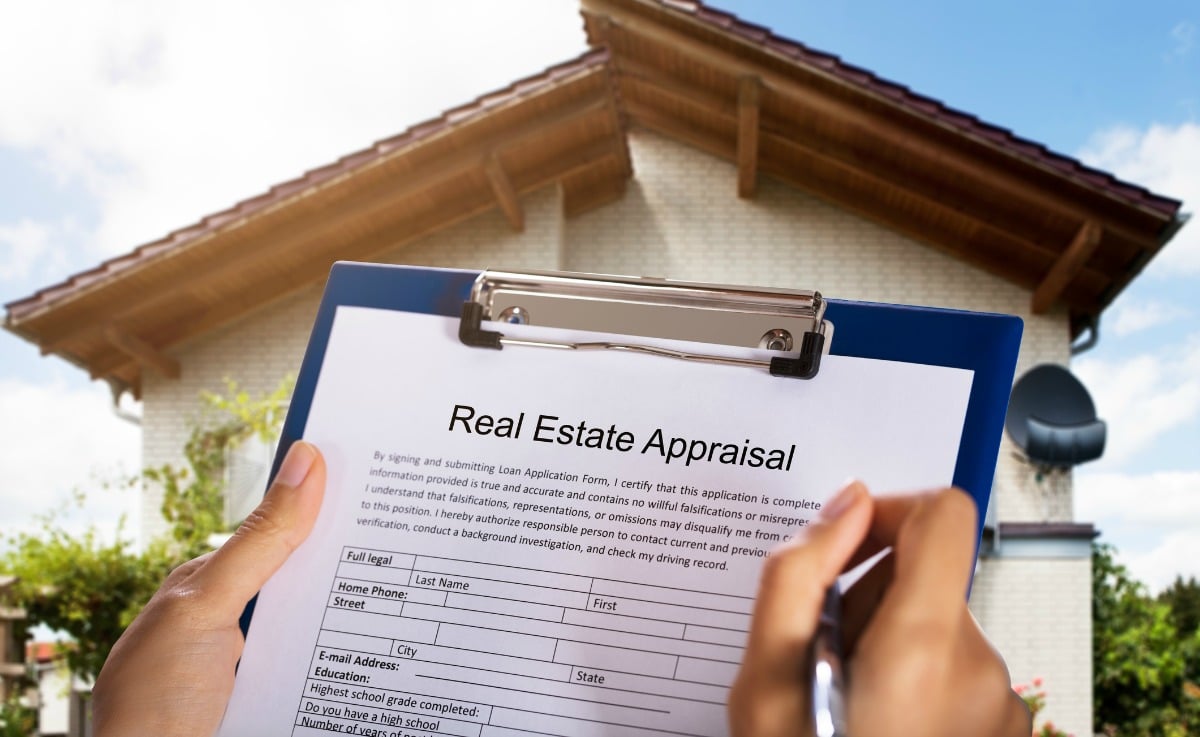
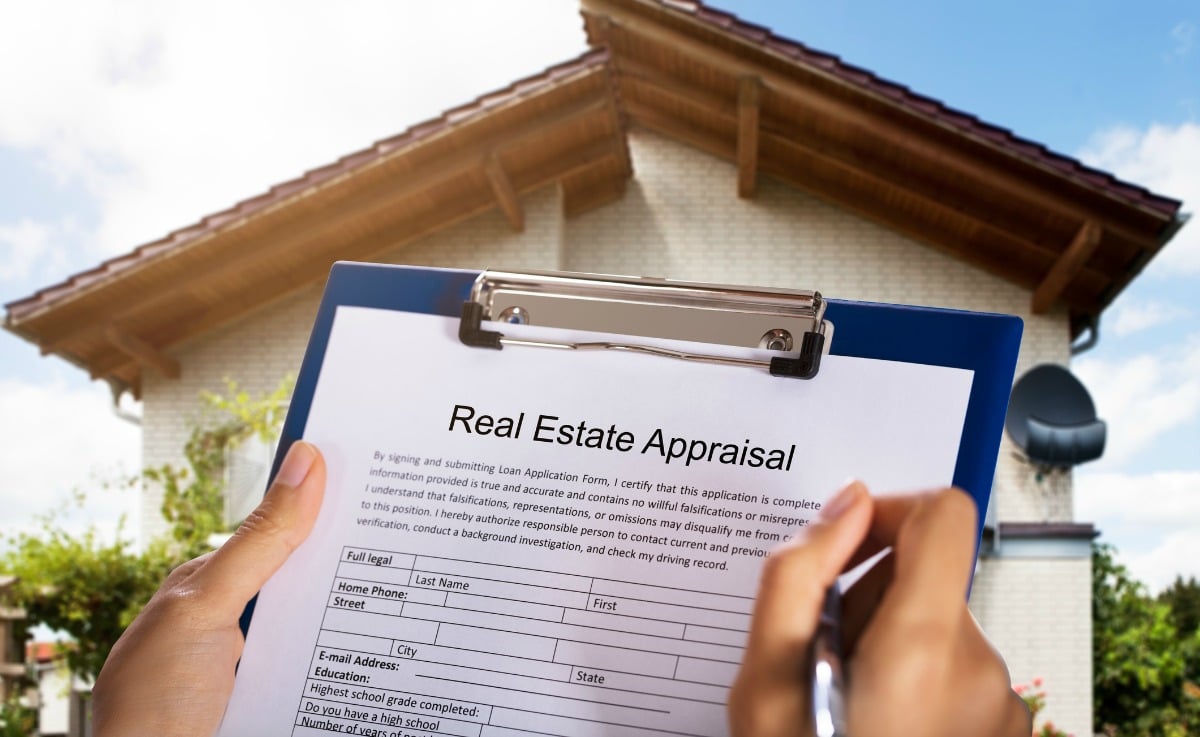
Pre-approval is not final approval. The lender will also review the property through an appraisal and title search before giving the green light to close.
Make your move with confidence
Whether you're buying your next home or selling your current one first, the process can feel manageable with the right preparation. Pre-approval puts you in a stronger position as a buyer.
If you're also selling, coordinating two transactions adds complexity. Opendoor simplifies the selling side. Getting a cash offer can help you move on your timeline without the stress of juggling showings, repairs, and uncertain closing dates.
Get a free cash offer from Opendoor
Get an offer with a click of a button!
Sell your home directly to Opendoor, so you can skip all the hassle and months of uncertainty. Simply enter your address – and get our offer with a few simple steps.
Looking to sell a home in Washington? Opendoor makes selling simple in Tulsa, Atlanta, and New Orleans — request a free, no-obligation cash offer.