Meta description: Looking for the perfect family home? Use our complete checklist to evaluate space, school districts, neighborhoods, and safety features — and find a home your family will love.
Whether you're expecting your first child or your current home is bursting at the seams with toddler toys and bunk beds, figuring out what to look for in a family home is one of the biggest decisions you'll make as a parent. The right house does more than put a roof over your heads — it shapes your daily routines, your children's development, and your family's financial future.
This guide walks you through a complete family home checklist covering the features that matter most, how to evaluate school districts and neighborhoods, how much space your family actually needs, and how to set a realistic budget. By the end, you'll have a clear, actionable plan for finding a home your family can grow into — not out of. If you're new to the home-buying process, you may also want to review our real estate terms glossary before diving in.
Get an offer with a click of a button!
Sell your home directly to Opendoor, so you can skip all the hassle and months of uncertainty. Simply enter your address – and get our offer with a few simple steps.
What to Look for in a Family Home: The Complete Checklist
When you're buying a home for a family, the wish list looks different than it did when you were single or newly coupled. Suddenly, closet space matters more than a trendy backsplash, and a fenced backyard outranks rooftop access. Below is a comprehensive checklist of features to prioritize — organized so you can quickly compare properties during open houses and tours.
Enough Bedrooms (and a Plan for Growth)
A common rule of thumb is one bedroom per child, plus a primary bedroom for the parents. But think beyond your family's current size. If you're planning to have more children in the next few years, buying a three-bedroom home when you already have two kids may leave you house-hunting again sooner than expected. According to the National Association of Realtors' 2024 Profile of Home Buyers and Sellers, the typical home purchased has three bedrooms — but families with children under 18 disproportionately seek four or more.
Functional Layout and Open Living Spaces
An open floor plan connecting the kitchen, dining area, and living room allows parents to cook dinner while keeping an eye on kids doing homework or playing. Look for sight lines between communal rooms, and consider whether the layout supports baby gates at stairway openings. Split-level designs can add square footage, but they also create more transition points to childproof.
Outdoor Space and Yard Size
A usable backyard — even a modest one — gives kids a safe place to run, ride bikes, and explore. Evaluate the yard's grade (flat is easiest for play), existing landscaping, and whether there's enough room for a swing set, garden, or future patio. Families in townhomes or condos should look for proximity to shared green spaces or community playgrounds.
Storage and Organization Space
Children come with an extraordinary amount of gear. From strollers and car seats to sports equipment and seasonal clothing, you'll want ample closet space, a mudroom or entry area for shoes and backpacks, and ideally a garage or basement with room for overflow. Homes with built-in shelving, pantry space, and linen closets earn extra points on any family home checklist.
Safety Features for Young Children
Before you fall in love with a home's curb appeal, assess it through a child-safety lens. Key features to look for include:
- Fenced yard with a self-closing gate
- Staircase design — wide, well-lit stairs with railing; avoid open-riser stairs for toddlers
- Window placement — windows with locks and guards, especially on upper floors
- Pool safety — if the home has a pool, confirm it meets local fencing and barrier codes
- Electrical outlets at a manageable height and in good condition
When you schedule a home inspection, ask the inspector to flag any safety concerns specific to young children, such as lead paint in older homes or recalled appliances. You can also review our guide on what home inspectors look for to prepare.
Bathroom Count and Configuration
The minimum for most families is two full bathrooms — one for the primary suite and one shared bath for children and guests. If the home has bedrooms on separate floors, look for at least a half bath on each level. A double-vanity bathroom near the kids' bedrooms can prevent morning traffic jams as your children get older.
Natural Light and Ventilation
Well-lit, airy rooms aren't just aesthetically pleasing — they support better sleep cycles and mood, especially for young children. South-facing windows bring in consistent natural light throughout the day. Check that bedrooms have operable windows for cross-ventilation, and note whether the home's orientation would require heavy use of artificial lighting during daytime hours.
Flexible Bonus Rooms (Playroom, Office, Guest Room)
A bonus room, finished basement, or converted attic can serve as a playroom now, a homework station in a few years, and a teenager's hangout space later. If you or your partner work from home, a dedicated office area that can be closed off from the noise of family life is increasingly essential. Flexible spaces add tremendous long-term value for growing families.
Garage and Parking
Garages serve double duty for families — they protect vehicles and provide a staging area for strollers, bikes, wagons, and sports gear. A two-car garage is ideal, but even a single-car garage with built-in shelving adds significant utility. Also consider the driveway: a wide, flat driveway is safer for kids who may be playing outside, and it provides extra parking for visiting grandparents and babysitters.
Summary Checklist
Use this quick-reference list when touring homes:
- [ ] Bedrooms: Enough for current family + planned growth
- [ ] Layout: Open sight lines between kitchen, living, and dining areas
- [ ] Outdoor space: Usable, flat yard with fencing (or nearby parks)
- [ ] Storage: Mudroom, pantry, closets, garage or basement storage
- [ ] Safety: Fenced yard, stair railings, window locks, outlet placement
- [ ] Bathrooms: Minimum two full baths; half baths on additional floors
- [ ] Natural light: South-facing windows, operable windows in bedrooms
- [ ] Bonus rooms: Flexible space for playroom, office, or guest room
- [ ] Garage/parking: At least one-car garage; safe, accessible driveway
- [ ] School district: Highly rated (see section below)
- [ ] Neighborhood: Safe, walkable, with parks and family services
How to Evaluate School Districts When Buying a Home
For most families, the quality of nearby schools is a top-tier decision factor — and the data backs that up. A Realtor.com survey found that buyers in top-rated school districts pay a significant premium per square foot compared with those in lower-rated districts. Even if your children aren't yet school-aged, the district your home falls in will shape your options for years to come and directly influence resale value.
How to Research School Ratings and Reviews
Start with publicly available rating platforms:
- GreatSchools.org — Provides summary ratings (1–10) for nearly every public school in the U.S., along with test scores, equity metrics, and parent reviews.
- Niche.com — Combines academic data with student and parent surveys to grade districts on academics, teachers, clubs and activities, and diversity.
- State education department websites — Offer detailed performance data, teacher-to-student ratios, and graduation rates.
Don't rely solely on a single number. Dig into the metrics behind the rating — test proficiency rates, growth scores, and student-to-teacher ratios — and compare them across the districts you're considering.
How School Districts Affect Property Values
Homes in highly rated school districts consistently command higher resale prices. This creates a positive feedback loop: higher home values generate more property tax revenue, which funds better school resources, which attracts more families. Understanding this dynamic is crucial when weighing what to look for in a family home, because a slightly more expensive home in a strong district may be a better long-term investment. For a deeper dive into price dynamics, explore factors that influence home value.
Questions to Ask About Local Schools
When evaluating a prospective neighborhood, go beyond the ratings:
- What are the enrollment boundaries, and could redistricting change them?
- Are there magnet, charter, or gifted programs within the district?
- What is the school's approach to special education and support services?
- How do parents rate before- and after-school care options?
- What are the district's plans for new construction or renovations?
- Are there private or parochial school alternatives nearby if the public options don't fit?
Attending a school board meeting or connecting with local parent groups on social media can give you unfiltered insight into the district's strengths and challenges.
Best Neighborhood Features for Families
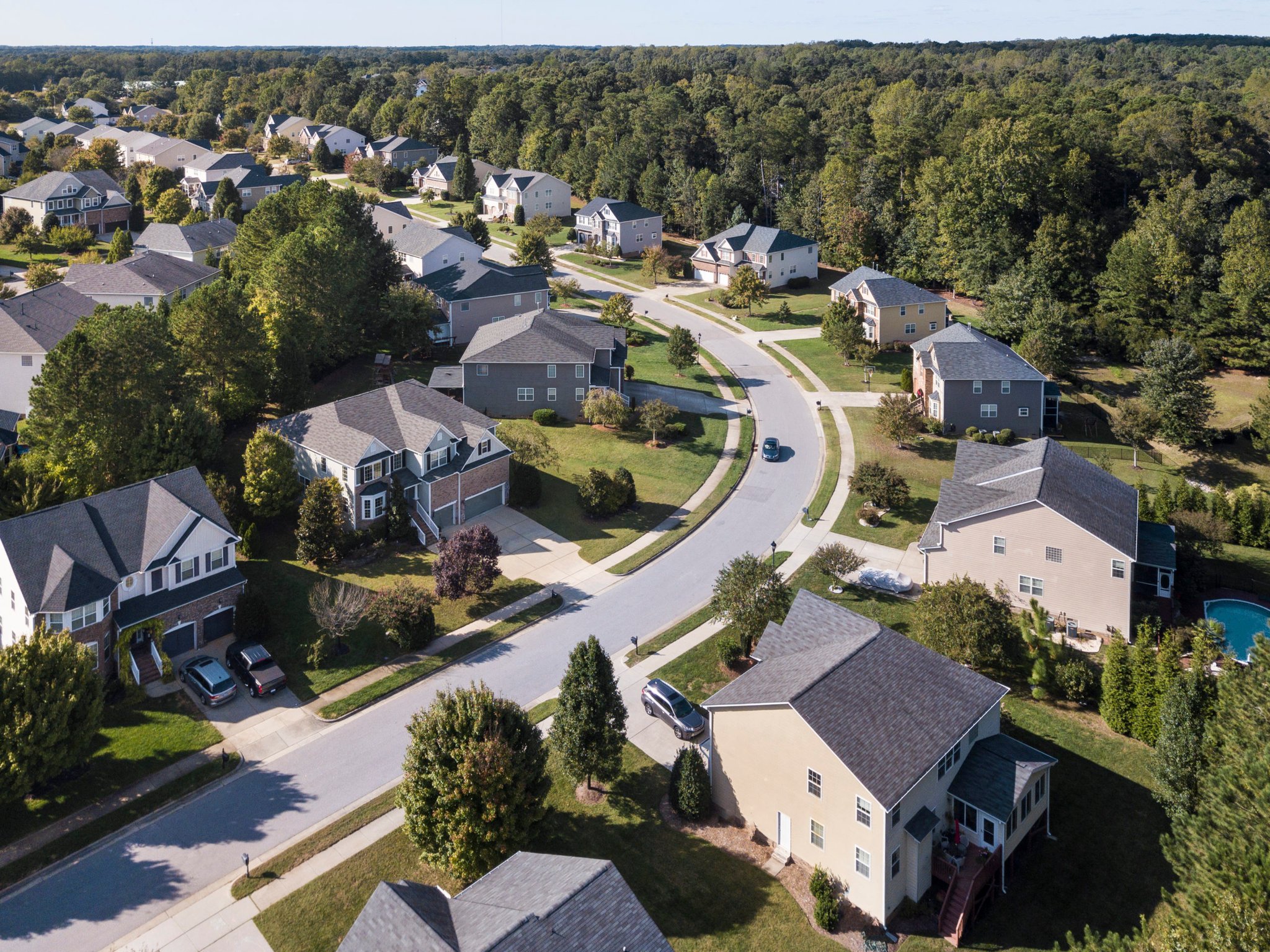
The home itself is only half the equation. The neighborhood you choose becomes your family's extended living room — the place where your kids make friends, ride bikes, and build independence. Here's how to evaluate whether a neighborhood will serve your family well.
Safety and Crime Statistics
Start by checking crime data on sites like CrimeMapping.com or your local police department's public data portal. Look at both violent crime rates and property crime rates, and compare trends over the past three to five years. While you tour homes, pay attention to signs of an engaged community: well-maintained properties, functioning streetlights, and active neighborhood watch signs.
Parks, Playgrounds, and Recreation
Proximity to green space is a top priority for families with young children. Look for:
- Public parks within walking or short biking distance
- Playgrounds with age-appropriate equipment
- Community recreation centers offering youth sports, swim lessons, or camps
- Walking and biking trails that connect to schools or commercial areas
According to the National Recreation and Park Association, homes located within a half-mile of a quality park can see property values increase by up to 5% compared with similar homes farther away.
Walkability and Commute Times
A neighborhood's walkability affects both daily convenience and long-term property value. Check the Walk Score for any address you're considering — it rates locations on a 0–100 scale based on proximity to errands, schools, and transit. For dual-income families, also map the commute from the prospective home to both workplaces during peak hours. A beautiful home in a distant suburb can lose its charm after months of 90-minute commutes.
Access to Healthcare and Family Services
Young families visit the pediatrician — a lot. Map the distance from a prospective home to the nearest:
- Pediatric clinic or family practice
- Hospital with an emergency department
- Urgent care center
- Pharmacy
- Childcare or daycare centers
Having these services within a 10- to 15-minute drive can make a meaningful difference in your family's quality of life, especially during middle-of-the-night emergencies with little ones.
How Much Home Does Your Family Actually Need?
One of the most common questions when buying a home for a family is, How much space do we really need? Buying too small leads to another move in a few years. Buying too large means higher mortgage payments, property taxes, and utility bills. Here's a practical framework.
Square Footage Guidelines by Family Size
While needs vary based on lifestyle, these general benchmarks offer a starting point:
| Family Size | Suggested Minimum Sq. Ft. | Bedrooms | Bathrooms |
|---|---|---|---|
| Couple + 1 child | 1,200–1,600 | 2–3 | 1.5–2 |
| Couple + 2 children | 1,600–2,200 | 3–4 | 2–2.5 |
| Couple + 3 children | 2,000–2,800 | 4–5 | 2.5–3 |
| Multi-generational household | 2,500+ | 4+ | 3+ |
The U.S. Census Bureau's American Housing Survey reports that the median size of a new single-family home is approximately 2,200 square feet — but median doesn't mean right for everyone. Focus on usable square footage rather than total area; a well-designed 1,800-square-foot home can feel more spacious than a poorly laid-out 2,400-square-foot home. If you're considering a household with aging parents, our guide to finding a multi-generational family home covers additional considerations.
The 5-Year Rule: Buy for Your Future Family
A smart approach when how to find a family home is top of mind: picture your family five years from now. If you currently have one toddler and plan to have two more children, shop for the home you'll need at that future state — not just today's state. Moving is expensive (closing costs, agent commissions, moving logistics), so buying a home that fits your projected family for at least the next five to seven years saves significant money and stress. To get a feel for the full financial picture, check out how much it costs to buy a house.
Balancing Size, Location, and Budget
In most markets, there's a direct trade-off between home size and location quality. A larger home farther from the city center may cost the same as a smaller home in a walkable, high-rated school district. Weigh these factors against your family's priorities:
- If schools and commute are your top priority → consider a smaller home in a premium location and plan to add space with future renovations. Our guide on home improvements that increase value can help you decide which upgrades pay off.
- If space is non-negotiable → look at emerging suburbs with strong school ratings and improving infrastructure.
- If budget is tight → a fixer-upper in a great neighborhood may offer the best long-term value, especially if the home's bones are solid and cosmetic updates are manageable.
Planning Your Family Home Budget
Knowing what you want in a family home is only useful if you can afford it. Setting a grounded, realistic budget prevents heartbreak — and financial strain — down the road.
Setting a Realistic Price Range
Most financial advisors recommend keeping total housing costs (mortgage, taxes, insurance, and HOA fees) below 28–30% of your gross monthly income. But family budgets have unique demands — childcare, education savings, medical expenses — that generic calculators may not account for. Before you start touring homes:
Get pre-approved for a mortgage to understand your maximum borrowing power.
Determine your down payment — learn how much to save for a house and whether 5% is enough as a down payment for your situation.
Subtract family-specific costs (daycare, after-school programs, 529 contributions) from your take-home pay before deciding what monthly payment feels comfortable.
Build in a cushion — homes with children incur higher maintenance costs than homes without.
Hidden Costs to Factor In (Maintenance, Taxes, and HOA)
The purchase price is just the beginning. Family buyers should budget for:
- Property taxes — these can vary dramatically between adjacent towns and directly correlate with school district quality.
- Homeowners insurance — rates are higher for larger homes, homes with pools, and homes in flood or fire zones.
- HOA fees — if applicable, these can range from $100 to $500+ per month and may or may not include amenities your family will use.
- Maintenance and repairs — a common guideline is to reserve 1–2% of the home's value annually for upkeep. Older homes typically skew toward the higher end.
- Renovation and childproofing — new families often spend $2,000–$5,000 on initial childproofing, painting, and minor updates after moving in.
Understanding the full cost picture is essential. For more detail on costs beyond the sticker price, read how much it costs to buy a house.
How Opendoor Can Simplify Your Home Search
Searching for a family home while managing work, childcare, and daily routines is a juggling act. Opendoor streamlines the process by letting you browse listings, tour homes on your schedule — including self-guided tours — and make competitive offers with confidence. If you're also selling your current home, Opendoor can help you sell quickly so you can move on your timeline — not the market's. Learn more about how long the buying process takes to plan your family's transition.
Family Home Buying Checklist: Printable Summary
Use this consolidated checklist when comparing properties. Print it out, save it on your phone, or share it with your partner and real estate agent.
Home Features
- [ ] Enough bedrooms for current family + future growth
- [ ] Open floor plan with sight lines to play areas
- [ ] At least two full bathrooms
- [ ] Ample closet, pantry, and storage space
- [ ] Safe staircase design with railings
- [ ] Fenced yard or nearby park access
- [ ] Garage or covered storage for gear and vehicles
- [ ] Flexible bonus room (playroom, office, guest room)
- [ ] Good natural light and ventilation in bedrooms
- [ ] No major safety red flags (lead paint, pool without fence, etc.)
School District
- [ ] GreatSchools or Niche rating of 7+ (or meets your threshold)
- [ ] Acceptable student-to-teacher ratio
- [ ] Before- and after-school care available
- [ ] Stable enrollment boundaries (no imminent redistricting)
Neighborhood
- [ ] Low crime rates (verified via public data)
- [ ] Parks or playgrounds within walking distance
- [ ] Walk Score of 50+ (or meets your needs)
- [ ] Pediatrician, urgent care, and pharmacy within 15 minutes
- [ ] Reasonable commute to both parents' workplaces
Budget
- [ ] Mortgage + taxes + insurance ≤ 28–30% of gross income
- [ ] Down payment secured
- [ ] Emergency fund covers 3–6 months of housing costs
- [ ] Maintenance reserve budgeted (1–2% of home value per year)
- [ ] Hidden costs accounted for (HOA, childproofing, repairs)
Get an offer with a click of a button!
Sell your home directly to Opendoor, so you can skip all the hassle and months of uncertainty. Simply enter your address – and get our offer with a few simple steps.
Skip the listing process. Get a cash offer for your home in Sacramento, New York / New Jersey, Memphis, or anywhere in Illinois — no repairs, no showings, no agent fees.
Conclusion
Finding the ideal family home means looking beyond surface-level appeal and asking deeper questions about space, safety, schools, neighborhood quality, and long-term budget. By working through the checklist in this guide — and planning for where your family will be in five years, not just today — you'll make a confident, informed decision that serves your family well for years to come.
Ready to start your search? Browse Opendoor listings in your area to find homes that match your family's checklist, schedule tours on your own timeline, and take the first step toward a home your family will love.