Meta description: It takes 3–6 months to sell a house. Learn the full home-selling timeline, true costs of selling and moving, and how to reduce the hidden "time tax" of your move.
Americans are short on time — and real estate is making it worse. Between demanding work schedules, family obligations, and the everyday logistics of modern life, most people feel stretched thin before they even think about putting a "For Sale" sign in the yard.
So how long does it take to sell a house? The full process — from deciding to sell through moving day — typically takes three to six months. That includes weeks of pre-listing prep, an unpredictable stretch on the market, a 30-to-45-day closing period, and the chaos of actually relocating your life.
We call this the "home move tax": the hidden cost of selling a home that doesn't show up on any closing statement. It's the vacation days burned on last-minute showings. The weekends lost to decluttering, deep cleaning, and staging. The stress of living in limbo while you wait for an offer — or wonder if you priced too high.
This article breaks down the complete home-selling timeline stage by stage, reveals the real cost of selling and moving (in both dollars and hours), and shares practical ways to shrink the time tax so you can get on with your life faster.
Get an offer with a click of a button!
Sell your home directly to Opendoor, so you can skip all the hassle and months of uncertainty. Simply enter your address – and get our offer with a few simple steps.
How Long Does It Take to Sell a House in 2026?
The average time to sell a house depends on your local market, price point, and the condition of your home — but nationally, sellers should plan for roughly 65 to 93 days from listing to closing, according to data from the National Association of Realtors. Factor in preparation beforehand and the move afterward, and the realistic end-to-end timeline stretches to three to six months.
Here's how that breaks down, stage by stage.
Step 1 — Pre-listing preparation (2–5 weeks)
Before your home ever hits the MLS, there's a significant block of work to complete:
- Repairs and touch-ups. Addressing deferred maintenance, patching walls, and handling things to repair before selling can take one to three weeks depending on scope.
- Decluttering and deep cleaning. Buyers want to picture themselves in the space, not navigate around your belongings.
- Staging and photography. Professional staging and listing photos are proven to reduce days on market.
- Finding and interviewing agents. Choosing the right listing agent — and asking the right questions before you hire a realtor — takes time.
- Pricing strategy. Getting a realistic sense of what your home is worth ensures you don't overprice and stall on the market.
Most sellers underestimate this phase. Preparing your house for sale properly is the single biggest factor in how quickly the rest of the process moves.
Step 2 — On the market / days on market (2–8 weeks)
Once your home is listed, the clock starts on what the industry calls "days on market" (DOM) — the time between your listing going live and a signed purchase agreement. Nationally, the median DOM was 24 days in early 2025 for homes that sold, though that figure only captures listings that attracted a buyer. Homes in slower markets or at higher price points routinely sit for 50 to 80+ days.
During this phase, you'll manage:
- Showings and open houses — often with little notice, requiring you to leave the house (and keep it spotless).
- Offer review and negotiation — weighing price, contingencies, and buyer financing strength.
- Potential price reductions — if the market response is weak, adjusting your asking price and relisting. Understanding why days on market matter can help you act proactively.
Step 3 — Under contract to closing (30–45 days)
Once you accept an offer and go under contract, the deal still needs to clear several hurdles before it closes:
- Home inspection (week 1–2). The buyer orders an inspection, and any issues flagged could lead to a second round of negotiations or repair requests. Here's what home inspectors typically look for.
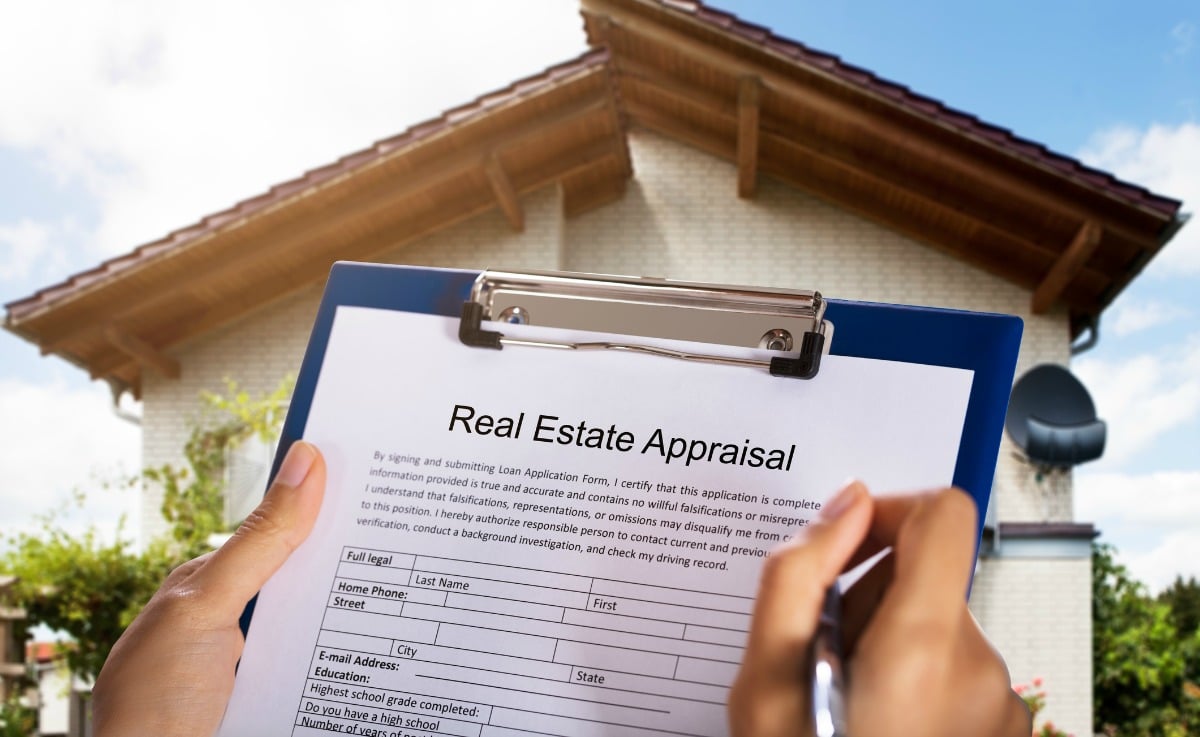
- Appraisal (week 2–3). The buyer's lender orders an appraisal to confirm the home's value supports the loan amount. This step alone can take one to three weeks to schedule and complete.
- Buyer financing and underwriting (weeks 2–5). Mortgage approval is the most common source of closing delays.
- Title search and closing paperwork (concurrent). The title company verifies clean ownership and prepares the final settlement documents.
The full closing process for sellers varies, but most traditional sales take 30 to 45 days to close once under contract.
Step 4 — Post-closing and moving (1–2 weeks)
Closing day isn't the finish line — it's the start of the final sprint. After signing, you still need to:
- Complete your move-out and final walkthrough obligations.
- Coordinate the key handoff and possession date.
- Physically relocate, set up utilities at your new address, and settle in.
If you're buying and selling simultaneously, this phase gets significantly more complicated — and more expensive if you need temporary housing or overlap on two mortgages.
Home-selling timeline at a glance
| Stage | Typical Duration | Key Activities |
|---|---|---|
| Pre-listing prep | 2–5 weeks | Repairs, staging, agent selection, pricing |
| On the market (DOM) | 2–8 weeks | Showings, open houses, offer negotiation |
| Under contract to closing | 4–6 weeks | Inspection, appraisal, financing, title work |
| Post-closing and move | 1–2 weeks | Move-out, key handoff, relocation |
| Total | ~3–6 months | From first decision to settled in your new home |
Average Time to Sell a House by Market
The national average only tells part of the story. How long it takes to sell a house varies dramatically by city — driven by local inventory levels, buyer demand, and seasonal trends. The table below shows average days on market for major metro areas, based on 2025 Redfin market data and Realtor.com housing trends.
| Metro Area | Avg. Days on Market (2025) | Market Speed |
|---|---|---|
| National Average | ~50 days | Moderate |
| Dallas–Fort Worth, TX | ~33 days | Fast |
| Raleigh, NC | ~30 days | Fast |
| Phoenix, AZ | ~38 days | Fast |
| Denver, CO | ~35 days | Fast |
| Nashville, TN | ~40 days | Moderate |
| Chicago, IL | ~55 days | Moderate |
| Los Angeles, CA | ~45 days | Moderate |
| Miami, FL | ~60 days | Slower |
| New York, NY | ~75 days | Slower |
| San Francisco, CA | ~42 days | Moderate |
Important caveat: "Days on market" only measures the listing-to-contract window. It doesn't include pre-listing preparation, the closing period, or the move itself. To get the true timeline, add roughly 7 to 11 weeks on top of the DOM figures above.
If you're curious whether now is the right moment to list in your area, review the best time to sell a house for seasonal trends that could shave weeks off your timeline.
What Is the "Home Move Tax"? The Hidden Time Cost of Selling
The financial costs of selling a home are well documented. What isn't talked about enough is the time cost of selling a house — the invisible burden that falls squarely on the homeowner's shoulders.
We call it the home move tax: the cumulative hours, mental energy, and opportunity cost required to sell and move. Unlike closing costs or commissions, this tax isn't itemized on a settlement statement, but it's paid by every seller — in stress, lost weekends, and disrupted routines.
How heavy is the home move tax?
Consider the hours embedded in a typical sale:
- Pre-listing prep: 20–40 hours of cleaning, decluttering, coordinating repairs, and meeting with agents.
- Showings and open houses: 15–30 hours of keeping the home "show-ready," vacating on short notice, and managing pets and children around buyer visits.
- Paperwork and negotiations: 10–20 hours reviewing disclosures, counteroffers, and inspection reports.
- Closing logistics: 5–10 hours on final walkthroughs, document signing, and utility transfers.
- The physical move: 15–25 hours packing, loading, transporting, and unpacking.
In total, the average seller spends an estimated 60 to 100+ hours on the selling and moving process — the equivalent of two to three full work weeks. For dual-income families with children, that's an enormous chunk of an already limited time budget.
The stress nobody warns you about
The time cost doesn't account for the emotional toll. A Zillow survey found that selling a home is one of the most stressful life events Americans experience — ranking alongside divorce and job loss. Sellers frequently report anxiety about pricing, frustration with buyer demands, and the sheer uncertainty of not knowing when (or if) the sale will close.
This is the home move tax in full: it's not just the hours, it's the cognitive weight of managing a six-figure transaction while keeping the rest of your life running.
The True Cost of Selling a House and Moving
Beyond the time tax, selling a home carries real financial costs that surprise many first-time sellers. Understanding both the dollar cost and the hour cost of each phase helps you plan realistically — and decide where it's worth investing to save time.
Financial costs breakdown
Here's what the cost of selling and moving typically looks like in 2026:
| Cost Category | Estimated Range | Notes |
|---|---|---|
| Agent commissions | 5–6% of sale price | Now negotiable per the 2024 NAR settlement; sellers no longer required to offer buyer-agent compensation via MLS |
| Closing costs | 1–3% of sale price | Title insurance, transfer taxes, attorney fees, escrow fees |
| Repairs and staging | $2,000–$15,000 | Varies widely; cosmetic updates and improvements that add value can pay for themselves |
| Moving costs | $1,500–$5,000+ (local) / $4,000–$12,000+ (long-distance) | Per American Moving and Storage Association estimates |
| Overlap and carrying costs | $2,000–$8,000+ | Temporary housing, double mortgage payments, storage units |
| Miscellaneous | $500–$2,000 | Cleaning, landscaping, HOA transfer fees, seller concessions |
Total financial cost: approximately 8–10% of the home's sale price. On a $400,000 home, that's $32,000 to $40,000 — before you account for a single hour of your time. For a more detailed breakdown, see our full guide on how much it costs to sell a house.
Time costs breakdown
| Selling Phase | Estimated Hours | What Eats the Time |
|---|---|---|
| Pre-listing prep | 20–40 hrs | Contractor coordination, decluttering, staging, agent meetings |
| On the market | 15–30 hrs | Showings, cleaning before each visit, open house prep |
| Negotiations and paperwork | 10–20 hrs | Offer review, counteroffers, disclosure prep, inspection follow-up |
| Closing | 5–10 hrs | Document review, walkthroughs, wire transfers |
| Physical move | 15–25 hrs | Packing, loading, driving, unpacking, address changes |
| Total | 65–125 hrs | Equivalent to 1.5–3 full work weeks |
The combined picture
For a seller earning $75,000 per year (roughly $36/hour), the time cost alone translates to $2,300–$4,500 in lost productivity or personal time — on top of the $32,000–$40,000 in hard costs. That's the full home move tax: the real price of a traditional sale, measured in both dollars and days.
How to Sell Your House Faster (and Reduce the Time Tax)
If the timeline above feels daunting, the good news is you have levers to pull. Here's how to sell your house fast — or at least faster than average.
Price it right from day one
Overpricing is the number-one reason homes sit on the market. A well-priced home generates more showings in the first two weeks — the critical window when buyer interest peaks. Use a competitive market analysis and check what your home is worth before you set your list price.
Invest in pre-listing prep and staging
Homes that are clean, decluttered, and professionally photographed sell faster. Focus your repair budget on high-ROI improvements — fresh paint, updated fixtures, and curb appeal — rather than major renovations.
Choose the right time to list
Seasonality matters. Spring and early summer consistently produce faster sales and higher prices in most markets. Review the best time to sell a house for data-backed guidance on timing your listing.
Be flexible and responsive with showings
Every showing you decline or delay is a potential offer lost. Keeping your home "show-ready" and accommodating buyer schedules — even on short notice — can meaningfully compress your days on market.
Consider a cash offer or direct sale
If minimizing time and hassle is your top priority, a cash offer eliminates the biggest source of delay in any sale: buyer financing. Cash sales can close in as few as two weeks because there's no mortgage underwriting, no appraisal contingency, and fewer reasons for the deal to fall through.
Opendoor: Skip the Time Tax
What if you could compress the entire home-selling timeline into days instead of months?
With Opendoor, you can request a competitive cash offer on your home — often within about 48 hours. There's no staging, no open houses, no weekend showings, and no wondering when (or whether) a buyer will appear. You choose your closing date, move on your schedule, and avoid the months of uncertainty that define a traditional sale.
Here's how the two paths compare:
| Traditional Sale | Opendoor | |
|---|---|---|
| Timeline | 3–6 months | As few as 14 days |
| Showings required | 10–25+ | None |
| Closing date | Determined by buyer | Chosen by you |
| Repairs before listing | Often required | Handled after sale |
| Hours of seller effort | 65–125+ | Minimal |
See a detailed side-by-side in our comparison of how selling to Opendoor compares to a traditional home sale.
Ready to see what your home move tax could look like with Opendoor? Request your free, no-obligation offer today.
Get an offer with a click of a button!
Sell your home directly to Opendoor, so you can skip all the hassle and months of uncertainty. Simply enter your address – and get our offer with a few simple steps.
Looking to sell a home in Vermont? Opendoor makes selling simple in Louisville, Houston, and Charleston — request a free, no-obligation cash offer.