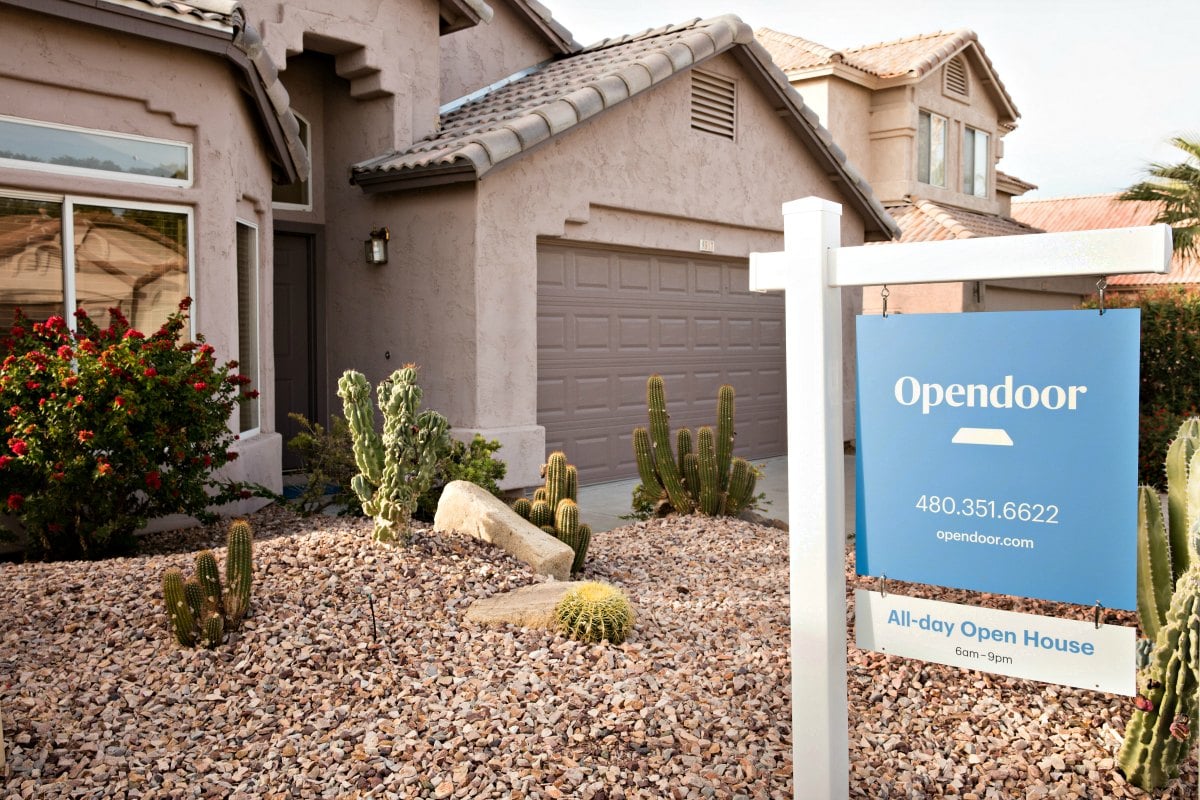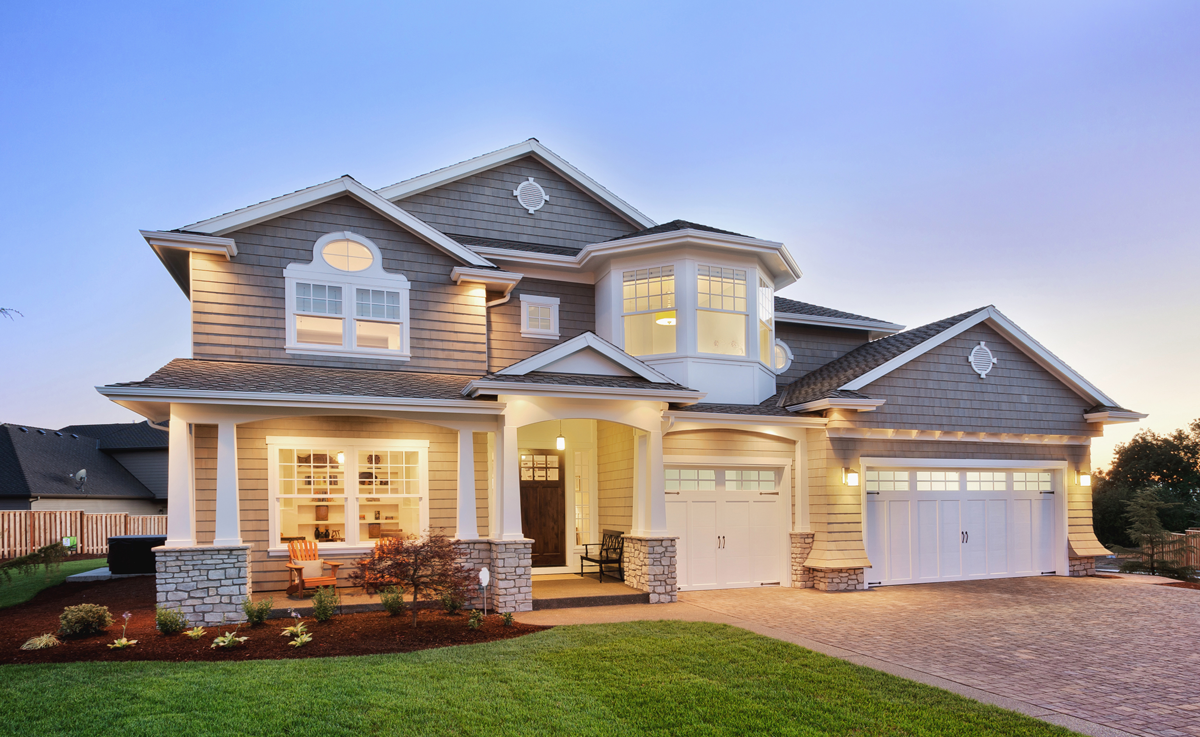
Does landscaping increase home value? The short answer is yes — and the return can be substantial. Studies show that well-executed landscaping can boost a home’s sale price by 5–15%, and in some cases even more. Whether you’re listing next month or simply thinking long-term, the right outdoor improvements consistently rank among the highest-ROI projects a homeowner can make. This guide breaks down exactly what works, what to spend, and what to skip.
Does Landscaping Increase Home Value?
Yes — and the data backs it up. According to a widely cited study from Virginia Tech, high-quality landscaping can increase perceived home value by 5.5–12.7% compared to a home with no landscaping at all. Some industry estimates put the figure even higher — exceptional landscaping may add up to 15–20% to a property’s market value.
The National Association of Realtors (NAR) adds important context from the agent side: 97% of Realtors believe curb appeal is important for attracting buyers, 92% recommend sellers improve their curb appeal before listing, and 74% suggest completing a landscape maintenance program before going to market.
That kind of near-unanimous professional opinion isn’t noise — it reflects a real purchasing dynamic. Buyers form first impressions before they ever step inside a home, and the front yard is the deciding factor for whether they stay curious or keep driving.
How Much Does Landscaping Increase Home Value?
The range most commonly cited in the research is 5–15%, with the actual gain depending on the quality of existing landscaping, local market expectations, and the type of improvement made.
To put that in dollar terms: on a $400,000 home, a 10% uplift from mature trees, a clean lawn, and well-defined beds equals $40,000 in added value — often for a fraction of that cost in actual investment.
The NAR’s 2023 Remodeling Impact Report: Outdoor Features provides the most granular breakdown available. It found that standard lawn care — routine mowing, edging, and seasonal maintenance — returns 217% ROI at resale. That means every dollar spent on keeping a lawn healthy returns more than two dollars at closing.
Other key findings from the NAR report:
- General landscape upkeep: 104% ROI
- Overall landscape upgrades (new planting, hardscape improvements): 100% ROI
- Automated irrigation system: 83% ROI
The caveat: ROI figures vary by market, home price point, and neighborhood comparables. In a neighborhood where every home has manicured landscaping, basic upkeep is table stakes rather than a differentiator. In a neighborhood where most homes have neglected yards, a well-maintained exterior can generate disproportionate gains.
Best Landscaping Improvements by ROI
Here’s how the most common landscaping projects stack up, using NAR and industry data as the baseline:
| Project | Avg Cost | Est. Value Added | ROI |
|---|---|---|---|
| Lawn care / maintenance | $300–500/yr | $650–1,000+ | ~217% |
| Mulch and flower beds | $200–600 | $500–1,200 | ~100–150% |
| Trees and mature shrubs | $500–2,500 | $1,000–15,000+ | Varies widely |
| Front walkway / pathway | $1,000–3,500 | $1,000–3,500 | ~100% |
| Outdoor lighting | $500–2,000 | $300–1,200 | ~59% |
| Irrigation system | $1,500–4,000 | $1,200–3,300 | ~83% |
| Paver patio | $3,000–10,000 | $2,850–9,500 | ~95% |
**Lawn care and maintenance **is the clear leader on ROI and the easiest to execute before a sale. A healthy, green lawn costs relatively little to achieve with overseeding, fertilizer, and consistent mowing — and it signals to buyers that the property has been cared for throughout.
**Mulch and flower beds **are a favorite of real estate agents for pre-listing prep. Fresh mulch makes beds look intentional and finished for $5–7 per bag, and seasonal color from annuals or perennials adds visual warmth. The total cost for a typical front yard refresh is often under $300.
**Trees and mature shrubs **carry the widest ROI range of any landscaping category, but the upside is significant. According to the U.S. Forest Service and Arbor Day Foundation, a single mature shade tree can add $1,000–$10,000 to a property’s appraised value depending on size, species, and placement. Trees provide shade (which lowers energy costs), privacy, and a sense of established, settled character that buyers pay a premium for.
**Front walkway upgrades **consistently return close to dollar-for-dollar. A cracked or overgrown concrete path signals deferred maintenance. Replacing it with clean pavers, flagstone, or fresh concrete with defined edging immediately elevates the entry experience.
**Outdoor lighting **has a lower headline ROI (59% per NAR data), but it plays an outsized role in nighttime showings and listing photography. Pathway lights, uplighting on mature trees, and a well-lit front door entry are all high-impact for the photography budget.
**Irrigation systems **appeal to buyers in drought-prone markets and sunbelt states. Automated drip irrigation adds practical value — lower water bills, healthier plants, less work — and signals to buyers that the landscaping is maintainable.
What to Avoid: Landscaping That Hurts Value
Not every outdoor investment pays off. Some landscaping choices actively reduce a home’s appeal or create liabilities that buyers price in as future costs.
High-maintenance plants and formal gardens.
Elaborate topiaries, rose gardens requiring constant attention, or tropical species that need winter protection can deter buyers who see them as work and expense, not beauty.
Invasive species.
English ivy, bamboo, kudzu, and similar invasive plants spread aggressively, damage foundations, and are expensive to remove. If you have them, remove them before listing — buyers and their inspectors notice.
Overgrown trees near the structure.
Mature trees are an asset when placed well, but a large tree with branches over the roof is a liability. Buyers (and their insurance companies) see it as a risk. If you have this situation, a professional arborist pruning or removing the problematic limbs before listing is money well spent.
Pools in the wrong markets.
In warm-weather states like Arizona, Florida, and California, a pool is often expected and valued. In colder markets, pools are viewed as expensive-to-maintain liabilities. According to some appraisers, an in-ground pool in a northern climate can actually reduce a home’s value for buyers with young children or no interest in pool ownership. Know your market before adding — or emphasizing — a pool.
Artificial grass (in some markets).
Synthetic turf has improved dramatically, but buyers in traditional markets often react negatively. In drought-stricken markets in the Southwest, it can be viewed favorably. Know your buyers before installing.
Overly personal hardscape.
A custom putting green, elaborate water feature, or highly themed garden represents your taste — not necessarily your buyers’. The more niche the feature, the smaller the pool of buyers who will pay a premium for it.
Landscaping Before Selling: What to Prioritize With a Limited Budget
If you’re getting your house ready to sell and landscaping isn’t something you’ve prioritized, the good news is that a focused $300–500 sprint can transform the exterior. When staging a home to sell, curb appeal is often the highest-leverage dollar you can spend — and it’s far cheaper than interior renovations.
Here’s how to allocate a $500 landscaping pre-listing budget:
$0–50: Clean and edge.
Mow the lawn at a uniform height, edge along all walkways and the driveway, and blow or rake debris from beds and hardscape. This costs essentially nothing but produces an immediate visual change.
$50–150: Fresh mulch.
Apply 2–3 inches of dark mulch to all visible beds. It suppresses weeds, retains moisture, and creates clean contrast against plants and structures. One of the best-looking low-cost improvements available.
$50–100: Seasonal color.
Add flats of annuals (marigolds, petunias, impatiens depending on season) in front beds and any pots near the front door. Bright, healthy flowers are an outsized signal of care.
$50–100: Entry door area refresh.
A new doormat, polished house numbers, and clean or painted door hardware cost very little but dramatically improve the first 10 feet of the buyer’s experience.
$50–150: Tree and shrub grooming.
Hire a local lawn service for a one-time pruning and shaping of any visible shrubs and trees. Overgrown shrubs blocking windows are a common listing mistake — pruning them opens up sightlines and light.
Remaining budget: Problem areas.
If the lawn has bare patches, overseed 4–6 weeks before listing. If there’s a cracked or stained concrete step, rent a pressure washer or patch with concrete resurfacer.
If you’re thinking about how to get house ready to sell more broadly, landscaping should be one of the first boxes checked — not a last-minute afterthought. Agents consistently report that homes with strong curb appeal generate more showings and more competitive offers from the start.
Curb Appeal Checklist: 10 Things to Do Before Listing
Use this as your pre-listing walk-through. Stand at the street and assess:
- Lawn condition — Is it green, mowed at an even height, free of weeds and bare patches? If not: fertilize, overseed, and treat for weeds at least 4–6 weeks before listing.
- Edging — Are lawn edges crisply defined along driveways, walkways, and beds? Messy edges make even a healthy lawn look unkempt.
- Mulch — Are visible beds mulched with fresh, dark material? Old, faded mulch signals neglect.
- Shrub and hedge shape — Are hedges trimmed squarely? Are ornamental shrubs shaped and not overgrown?
- Dead or dying plants — Remove any dead annuals, brown perennials, or diseased shrubs. A single dead plant draws the eye immediately.
- Seasonal color — Does the entry have fresh flowering plants? Potted color flanking a front door is a classic, proven tactic.
- Tree health and clearance — Are trees healthy-looking? Are branches clear of the roofline and windows?
- Walkway and driveway condition — Are there cracks, stains, or weeds growing through joints? Pressure wash and patch as needed.
- Outdoor lighting — Do front pathway lights and entry lights work? Replace burned-out bulbs; consider adding solar pathway lights for under $40.
- Gutters and downspouts — Technically not landscaping, but visible from the street. Clogged or sagging gutters with plant growth in them undercut everything else you’ve done.
Skip the listing process. Get a cash offer for your home in South Texas, Milwaukee Waukesha, West Texas, or anywhere in Tennessee — no repairs, no showings, no agent fees.