
Whether you're purchasing your first home or preparing to list your property, understanding key real estate terms can make the entire process less stressful. This quick real estate vocabulary guide breaks down the home buying terms explained in plain English — plus essential seller real estate terms — so you can navigate your transaction with confidence.
Get an offer with a click of a button!
Sell your home directly to Opendoor, so you can skip all the hassle and months of uncertainty. Simply enter your address – and get our offer with a few simple steps.
Quick-Reference Summary
| Term | One-Line Definition |
|---|---|
| Pre-Approval | A lender's conditional commitment showing how much you can borrow. |
| Earnest Money | A good-faith deposit a buyer submits with their offer. |
| Contingency | A condition that must be met before a sale can close. |
| Closing Costs | Fees and expenses paid at the end of the transaction. |
| Closing Disclosure | A final document outlining the exact terms and costs of your loan. |
| Title Insurance | A policy that protects against ownership disputes on the property. |
| Comparative Market Analysis (CMA) | A report estimating a home's value based on recent nearby sales. |
| Appraisal | A professional assessment of a property's market value. |
| Escrow | A neutral third-party account that holds funds during a transaction. |
| Under Contract | The status of a home after a seller accepts a buyer's offer. |
Real Estate Terms Every Home Buyer Should Know
Pre-Approval
A lender's written estimate of the loan amount you qualify for, based on a review of your income, credit, and finances.
Pre-approval is one of the first steps in the home buying process. Unlike pre-qualification — which is a rough estimate — pre-approval involves a credit check and document verification, so sellers take it more seriously. For example, submitting an offer with a pre-approval letter signals you're a serious, financially vetted buyer.
Most relevant to: Buyers
Earnest Money
A deposit, typically 1–3% of the purchase price, that a buyer submits alongside their offer to demonstrate genuine intent to purchase.
Think of earnest money as a financial handshake. If the deal closes, that deposit is usually applied toward your down payment or closing costs. If the deal falls through for a reason covered by your contingencies, you typically get the money back. Without contingency protections, however, you could forfeit it — so understanding your contract terms matters.
Most relevant to: Buyers
Contingency
A contractual condition that must be satisfied before the home sale can be finalized.
Common contingencies include a home inspection contingency (allowing you to back out if major issues are found), a financing contingency (protecting you if your loan falls through), and an appraisal contingency. Knowing the difference between contingent vs. pending status can help you understand exactly where a deal stands in the process.
Most relevant to: Both
Closing Costs
The collection of fees and charges — beyond the home's purchase price — that are due when the transaction is finalized.
Closing costs typically range from 2–5% of the home's price for buyers and can include lender fees, title fees, taxes, and insurance premiums. Sellers have their own set of closing costs, which often include agent commissions and transfer taxes. Understanding how much it costs to buy a house upfront helps you budget accurately and avoid surprises on closing day.
Most relevant to: Both
Closing Disclosure
A five-page form your lender provides at least three business days before closing that details your final loan terms, monthly payment, and total costs.
The closing disclosure is your last chance to review the numbers before signing. Compare it carefully against your original loan estimate — if something looks off, ask your lender before the closing date. Learn more about how long closing takes so you know what to expect in the final stretch.
Most relevant to: Buyers
Title Insurance
An insurance policy that protects the buyer (and lender) against legal claims or disputes over property ownership.
Title issues — like undisclosed liens, boundary disputes, or forged documents from previous sales — can surface long after you move in. A one-time title insurance premium, paid at closing, covers legal costs if someone challenges your ownership. Sellers should also be aware of potential issues like property encroachments that could complicate a title search.
Most relevant to: Both
Real Estate Terms Every Home Seller Should Know
Comparative Market Analysis (CMA)
A report prepared by a real estate agent that estimates your home's value by comparing it to similar recently sold properties in your area.
A CMA looks at factors like square footage, lot size, condition, and location to suggest a competitive listing price. It's one of the most practical tools for answering the question, what is my home worth? While not as formal as an appraisal, a CMA gives sellers a data-driven starting point for pricing strategy.
Most relevant to: Sellers
Appraisal
A licensed appraiser's independent evaluation of a property's fair market value.
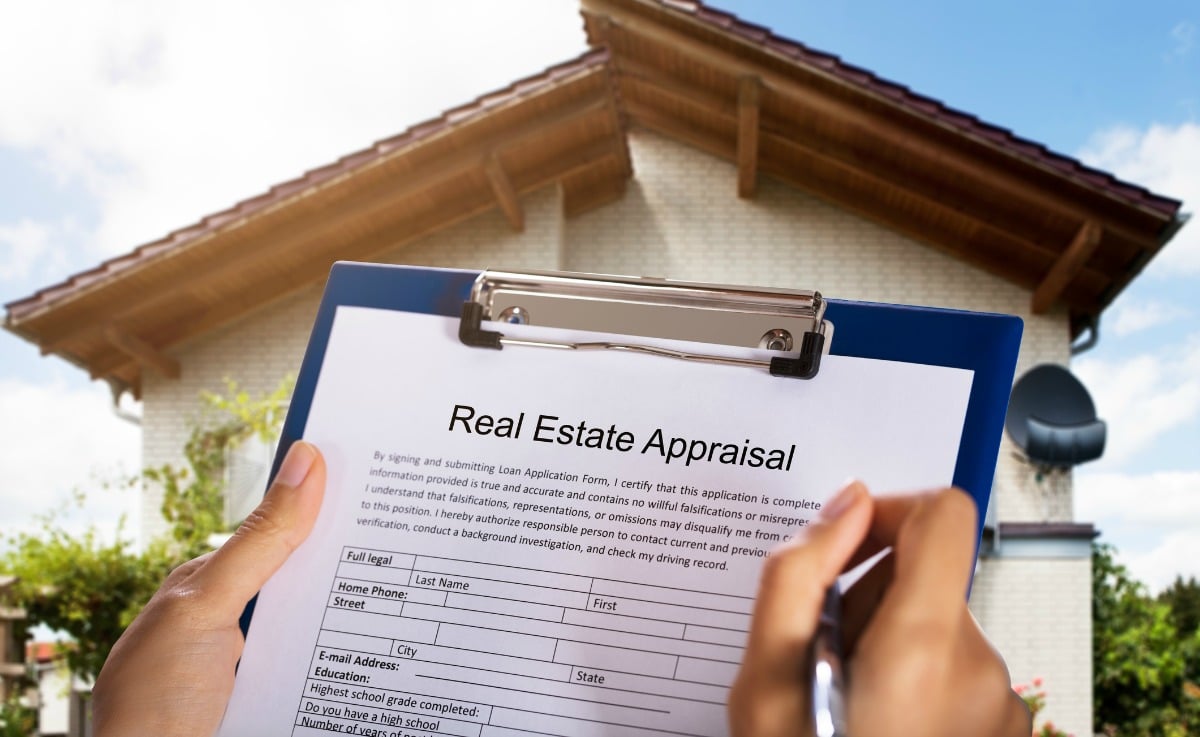
Lenders require appraisals to confirm a home is worth the loan amount they're issuing. If the appraisal comes in lower than the agreed sale price, buyers may need to renegotiate or cover the gap out of pocket. Understanding how long an appraisal takes and reviewing home appraisal tips can help sellers prepare and avoid delays.
Most relevant to: Both
Escrow
A neutral third-party arrangement where funds and documents are held until all conditions of the sale are met.
Once a buyer and seller agree to terms, an escrow account keeps everything secure — the buyer's earnest money, the purchase funds, and the signed paperwork. The escrow company disburses funds only when every condition is satisfied. Sellers can learn more about how this fits into the closing process for sellers.
Most relevant to: Both
Under Contract
The status of a property after the seller has accepted a buyer's offer but before the sale has officially closed.
When a home goes under contract, it means both parties have signed a purchase agreement, but contingencies (like inspections or financing) still need to be cleared. The home may remain visible in listings but is no longer actively available. For sellers, this phase requires responsiveness — delays in providing documents or completing repairs can stall or even kill a deal.
Most relevant to: Sellers
Why Understanding Real Estate Vocabulary Matters
Knowing these key real estate terms helps you ask the right questions, read contracts with confidence, and negotiate from a position of strength. Whether you're figuring out how to sell your house or wondering what to expect as a first-time buyer, a solid grasp of the basics can save you time, money, and unnecessary stress. For a deeper dive, explore our full real estate terms glossary.
Get an offer with a click of a button!
Sell your home directly to Opendoor, so you can skip all the hassle and months of uncertainty. Simply enter your address – and get our offer with a few simple steps.